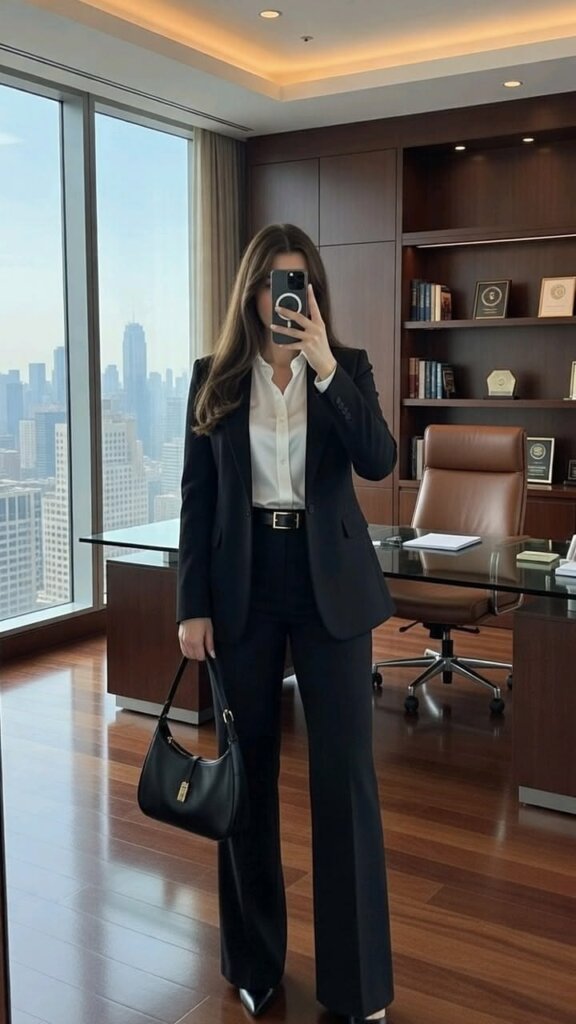
Figuring out what to wear to an interview can feel surprisingly stressful. The right outfit should make you feel confident, professional, and comfortable — without feeling overly formal or disconnected from your personal style.
The goal is not to look “perfect.” The goal is to look like someone who already belongs in the room.
Because here’s what nobody really talks about — what you wear to an interview does more than change how others see you. It changes how you carry yourself. Your posture shifts. Your voice steadies. Even the way you answer questions changes when you feel put together.
There’s a reason for this. Psychologists call it enclothed cognition — the idea that what you wear quietly shapes how your brain behaves. When you feel polished, you sit straighter, speak more clearly, and stop shrinking yourself. The outfit doesn’t magically create confidence. But it removes the friction between who you are and how you want to show up. That matters more than people think.
That does not mean wearing the stiffest blazer you can find and transforming into a corporate cardboard cutout. The best outfits to wear to an interview feel polished, intentional, and still like you.
Here’s how to dress for an interview in a way that makes you feel capable, grounded, and mentally locked in before you even walk through the door.
Interview Outfit Ideas That Actually Work
These are starting points, not rules. Adjust them to fit your style.
Outfit 1 — White shirt + navy trousers + loafers Simple, clean, and quietly powerful. This combination works because it feels capable without trying too hard.
Outfit 2 — Black straight pants + beige top + minimal gold jewelry The contrast keeps it sharp, the softer tones keep it approachable. One of the most versatile interview combinations out there.
Outfit 3 — Monochrome neutral Cream trousers, beige top, nude shoes. Wearing similar tones head to toe instantly makes an outfit look more expensive and considered. Quiet confidence, no explanation needed.
Outfit 4 — Structured kurta set + minimal jewelry For workplaces where traditional wear feels more natural, a well-fitted solid kurta set is incredibly polished. The fit does all the heavy lifting.
read more- https://untamedfits.com/outfit-inspo/
Stop Dressing Like You’re Playing a Character
One of the biggest mistakes people make when deciding what to wear to an interview is choosing clothes that feel completely disconnected from their personality.
You know the outfit:
- uncomfortable blazer borrowed from a different version of yourself
- shoes that hurt before you leave the house
- colors you never actually wear
- energy of “borrowed LinkedIn personality”
Then they sit in the interview tugging at sleeves and forgetting how to breathe.
Confidence is hard to fake when your outfit feels fake.
The best thing to wear to an interview is usually:
- one level more polished than your everyday style
- comfortable enough to move naturally in
- structured enough to make you feel sharp
You want “professional with presence,” not “intern trying to survive.”
What to Wear to an Interview: The Formula
A good interview outfit has three things working together.
Structure
Structured clothing psychologically makes people feel more composed — not because it looks formal, but because it literally changes how you hold yourself. A tailored blazer, straight-leg trousers, a crisp neckline, a fitted kurta set — these pieces create shape, and shape creates presence. Even soft, feminine outfits read more powerfully when there’s some intentional structure to them.
Simplicity
Interviews are not the Olympics of accessorizing.
When an outfit is visually busy, people focus on the outfit instead of you. Simple outfits feel more expensive, more calm, and more confident. Think solid colors, clean silhouettes, minimal accessories, polished fabrics. That’s it.
Comfort
If your shoes are destroying your feet, your brain will also suffer.
Discomfort quietly drains your presence. Choose clothes you can sit in, breathe in, and actually focus in. The interview is already stressful. Your pants should not become a side villain.
Best Colors to Wear to an Interview
Colors do more work than people give them credit for.
Navy blue is one of the strongest interview colors — it reads as intelligent and trustworthy without feeling aggressive. White or cream makes any outfit feel more intentional; cream in particular is polished without being harsh. Black is sharp and powerful but can feel cold depending on the workplace — balance it with softer tones. Soft neutrals (beige, stone, taupe) have a quiet confidence to them that photographs well and ages even better. Soft blue is criminally underrated — it’s calming, approachable, and still very put-together.
The general rule: wear colors you actually feel good in. A confident navy is always better than a reluctant red.
What to Wear to an Interview Based on the Workplace
Not every interview outfit should look the same. A startup and a law firm do not operate on the same fashion planet.
Corporate roles — Go polished and structured. A blazer with tailored trousers, a neutral blouse, loafers or a low heel, minimal jewelry. You want to look like someone who handles things.
Creative roles — You have more room here. Wide-leg trousers with a fitted top, monochrome dressing, a statement bag, modern silhouettes with interesting textures. Show personality, but keep it intentional. Creative does not mean dressing like a Pinterest mood board exploded.
Casual workplaces — Elevated casual. Dark jeans without distressing, a structured top, smart flats or clean sneakers, a lightweight blazer you can remove. You still want visible effort — just worn loosely.
What to Wear to an Interview When You Don’t Own a Blazer
A blazer is not the only way to look professional. Plenty of people don’t own one — and plenty of great interview outfits don’t need one either.
Here’s what actually works without a blazer:
A structured button-down shirt A well-fitted shirt does most of what a blazer does — it adds shape, looks intentional, and reads as polished without feeling stiff. Pair it with tailored trousers or straight jeans and you’re set.
A fitted turtleneck Clean, modern, and effortlessly put-together. A turtleneck in a neutral color — black, cream, camel — instantly elevates whatever you pair it with. Works especially well for creative and modern workplaces.
A knit co-ord set A matching knit set looks cohesive and considered without needing any extra layering. The matching element does the styling work for you.
A smart midi dress A well-fitted dress in a solid color is one of the most underrated interview outfits. One piece, zero effort, completely polished. Throw a structured cardigan over it if you want a layer.
A structured cardigan Not the slouchy kind. A fitted, clean cardigan over a simple top can absolutely replace a blazer in most workplaces — especially creative or casual environments.
The key thing to remember is that what to wear to an interview has never really been about the blazer specifically. It’s always been about looking intentional. There are many ways to get there.
What Not to Wear to an Interview
Clothes you constantly adjust. If you’re fixing straps, pulling sleeves, or checking your neckline, your focus is gone. Discomfort is loudest in silence.
Extremely trendy pieces. A strong trend moment can work in moderation. But avoid outfits that overpower your presence — the interviewer should remember you, not what you wore.
Anything that feels like a costume. If you look in the mirror and think “who is this corporate imposter?” — start over. The goal is confidence, not identity theft.
FAQs: What to Wear to an Interview
Can I wear jeans to an interview?
It depends on the workplace. For corporate or traditional roles, jeans are generally too casual — even dark, clean ones. But for creative, startup, or casual environments, dark straight-leg jeans with a polished top and clean shoes can absolutely work. When in doubt, go one level smarter than you think you need to. You can always dress down once you’re actually in the job.
Is all black okay to wear to an interview?
Yes — a well-put-together all-black outfit reads as sharp, polished, and confident. The key is fit and texture. An all-black outfit in different fabrics (a knit top with tailored trousers, for example) looks intentional. An all-black outfit in shapeless, mismatched pieces can read as underprepared. Balance it with clean shoes and simple accessories and it works very well.
How dressed up should I be for an interview?
A general rule: aim one level above what employees at that company wear daily. If their team dresses in jeans and t-shirts, show up in smart trousers and a clean top. If they dress business casual, go business formal. You can always adjust once you’re hired — for the interview, being slightly overdressed is almost always safer than underdressed.
What shoes should I wear to an interview?
Clean, structured, and comfortable. Loafers, low heels, ankle boots, or smart flats all work well. Avoid anything you haven’t broken in — uncomfortable shoes quietly destroy your confidence and your focus. Whatever you choose, make sure they’re clean. Shoes are one of those details people notice without realizing it.
One Last Thing
Knowing what to wear to an interview is really just knowing yourself well enough to dress one level above your comfort zone — without losing who you are in the process.
The best interview outfits don’t scream for attention. They create quiet certainty.
When your clothes fit well, feel comfortable, and actually reflect who you are, you stop obsessing over how you look and start focusing on the conversation itself. That shift is everything.
The people who leave strong impressions in interviews are rarely the loudest or most overdressed. They’re usually the ones who seem grounded, prepared, and comfortable being seen.
Dress like someone who expects to be there.